Date of release: 24 April 2024
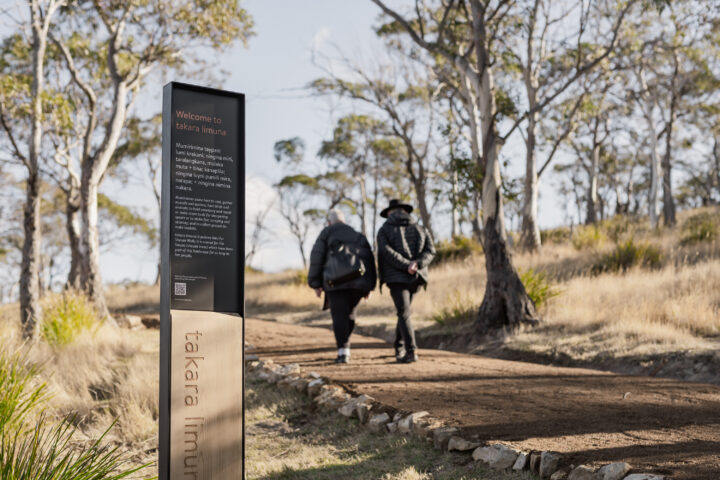
ANZAC Day 2024
Read more
Date of release: 21 March 2024
A boost to mountain biking in Clarence
Read more
Date of release: 20 March 2024
Council welcomes funding of Clarence projects
Read more
Date of release: 19 March 2024
Clarence City Council welcomes Labor’s funding commitment to youth centre
Read more
Date of release: 18 March 2024
Clarence comes together to celebrate Tasmania’s AFL team
Read more
Date of release: 11 March 2024
Mayor welcomes Liberal Party’s election commitments
Read more
Date of release: 8 March 2024
Mayor welcomes headspace to Clarence
Read more
Date of release: 7 March 2024
Clarence City Council to host Tasmanian AFL team unveiling live site for the community
Read more
Date of release: 1 March 2024
Trial begins for new off-leash area for greyhounds and vulnerable dogs
Read more
Date of release: 16 February 2024
Nominations open: 2024 Citizen of the Year Awards
Read more
Date of release: 6 February 2024
Clarence pool open
Read more
Date of release: 30 January 2024
Clarence Jazz Festival – program now live
The 28th annual Clarence Jazz Festival will once again light up nipaluna/Hobartâ... Read more
Date of release: 25 January 2024
Council statement on January 26
Read more
Date of release: 16 January 2024
Neighbour Day Awards 2024 nominations open
Read more
Date of release: 12 January 2024
Clarence News – Summer edition
Read more
Date of release: 22 December 2023
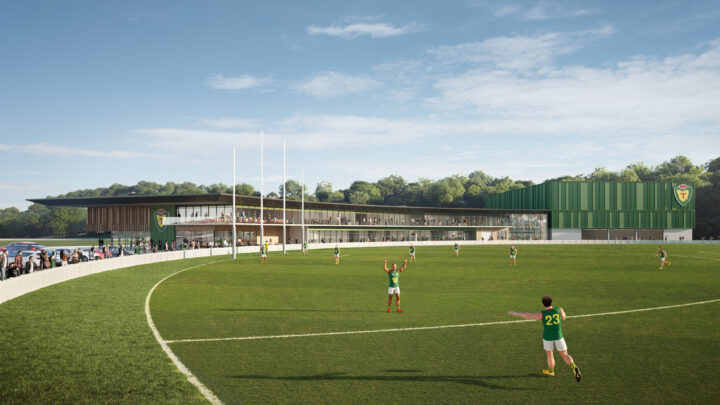
Clarence secures the AFL/AFLW High Performance Centre
Read more
Date of release: 19 December 2023
Summer program 2023-2024
No matter what your flavour, there are a range of events and activities happenin... Read more
Date of release: 12 December 2023
Council continues to kick goals
Read more
Date of release: 12 December 2023
Clarence City Council approves revised Skylands Masterplan
Read more
Date of release: 7 December 2023
Artwork commission EOI for Reconciliation Action Plan
Read more