
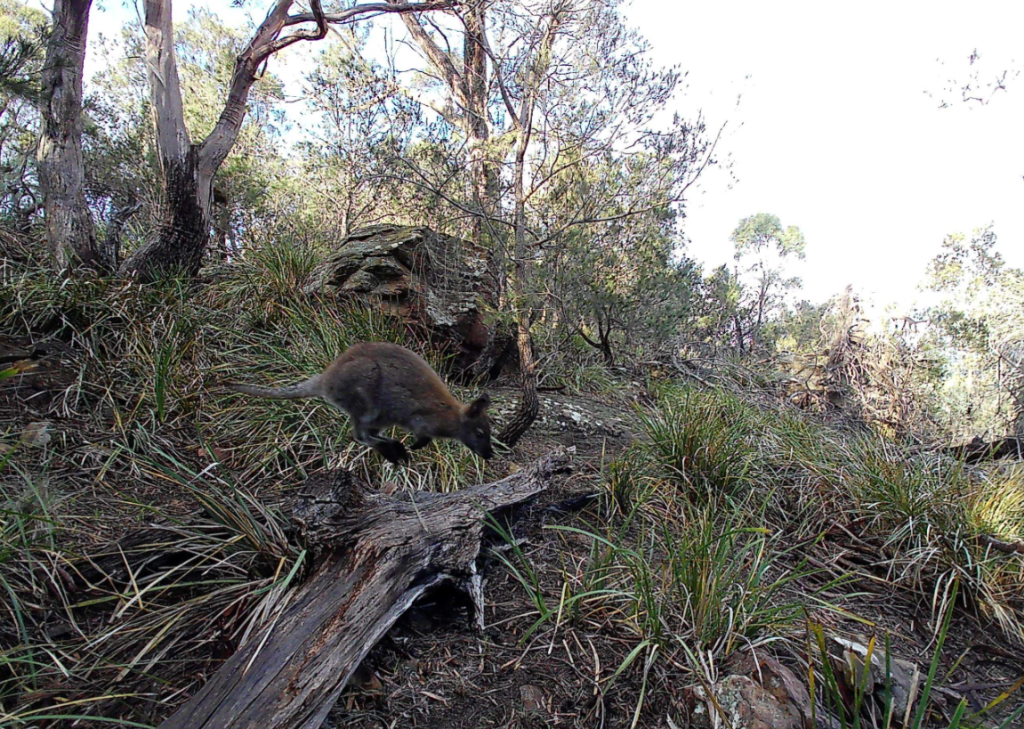
City of Clarence is home to an incredible range of native wildlife and we’re now able to document their existence across our 18 bushland reserves.
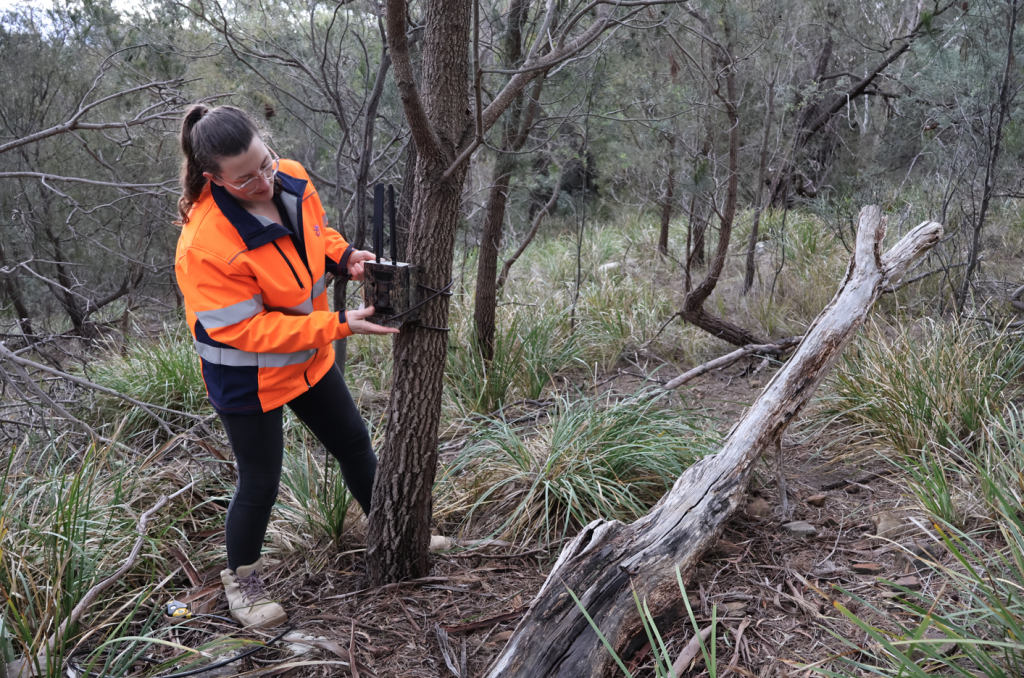
We’re using remote cameras and acoustic recording devices as part of our wildlife monitoring program.
By sharing wildlife camera footage and monitoring results, we’re hoping to inspire more people to connect with nature, contribute to citizen science projects, join local Landcare groups, and play an active role in caring for our bushland.
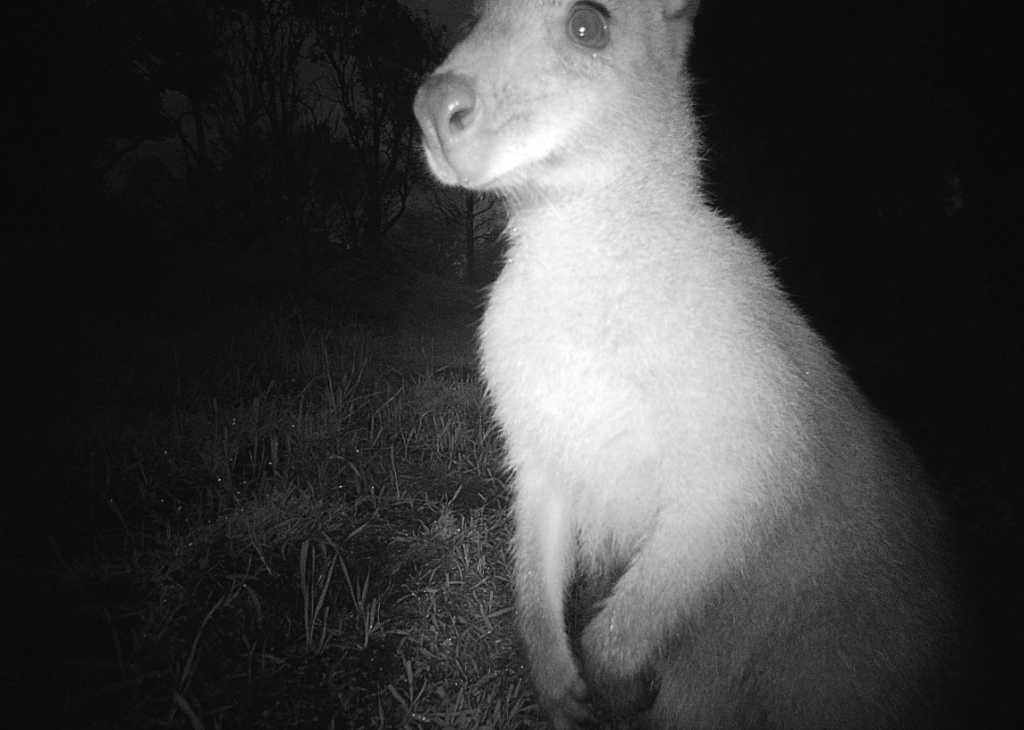
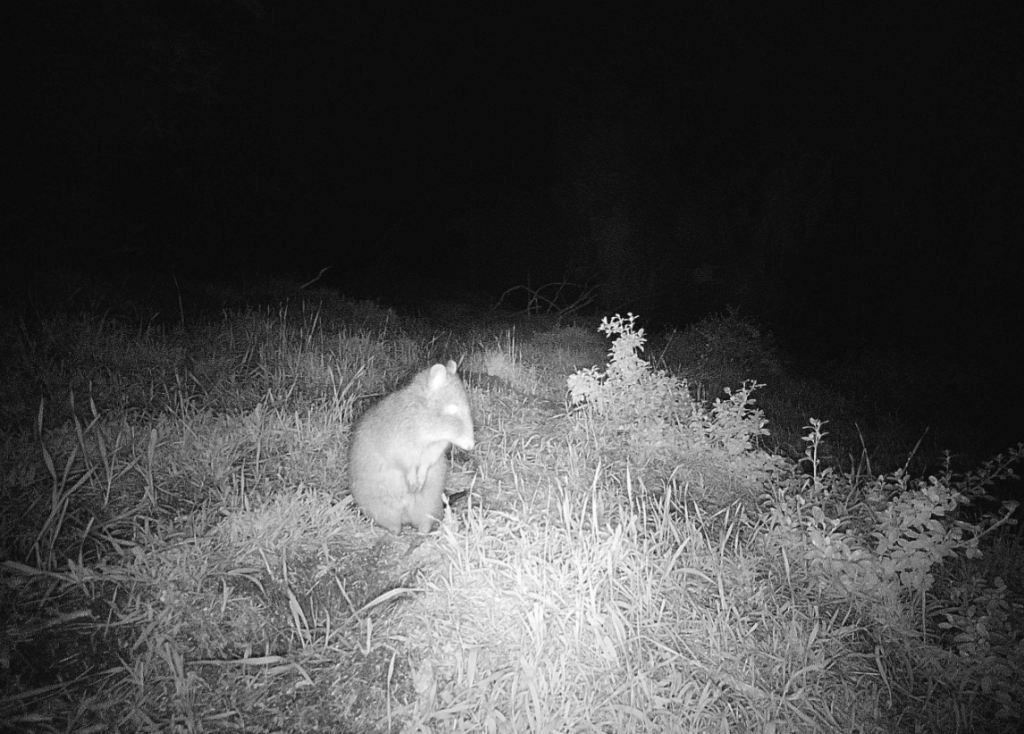
The motion-activated cameras record animals as they go about their daily lives, providing valuable information to our Environment and Biodiversity team.
Each animal spotted on the cameras is recorded and documented, providing us with evidence of which animals are living in our reserves, which species appear to be thriving, and which are under threat.
The acoustic recorders capture and identify species through sound, such as birds, frogs, and bats. Bats, for example, can be identified through their unique high-frequency call patterns that human ears cannot process.
This improved ecological data will guide how we manage our bushland reserves, allowing us to prioritise conservation efforts and threatened species protection.
Keep an eye out on our social media channels (Facebook, Instgram and Linkdn) for recent critters snapped on camera.
What wildlife have we spotted so far?
- eastern pademelon
- long-nosed potoroo
- southern brown bandicoot
- Bennett’s wallaby
- brushtail possum
- blue-tongue lizard
- bare-nosed wombat
- Tasmanian devil
- echidna.
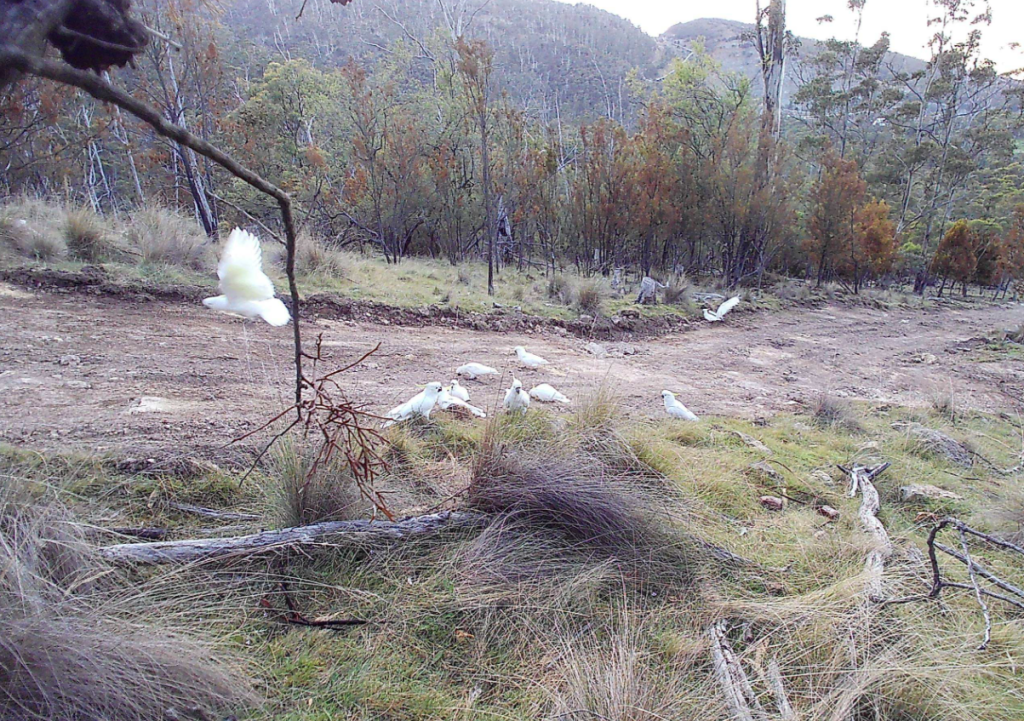
Our wildlife monitoring program supports City of Clarence’s long-term commitment to protecting biodiversity, improving our understanding of local wildlife, strengthening evidence-based environmental management, and conserving our unique natural areas for future generations.
Learn more about the work of our City of Clarence Environment and Biodiversity team.