
Protecting and enhancing our natural environment is an important part of City of Clarence’s commitment to sustainability. We work to conserve native plants and wildlife, restore natural habitats, manage invasive species, and support our community to care for the unique landscapes that make Clarence special.
Through our environment and biodiversity program we:
- protect and restore native habitats and biodiversity
- manage invasive species, including weeds and pest animals
- work with volunteers and Landcare groups to care for local reserves and natural areas
- encourage community participation through citizen science initiatives
- support community-led environmental projects through grants and partnerships
- help residents discover and appreciate Clarence’s unique natural environment.
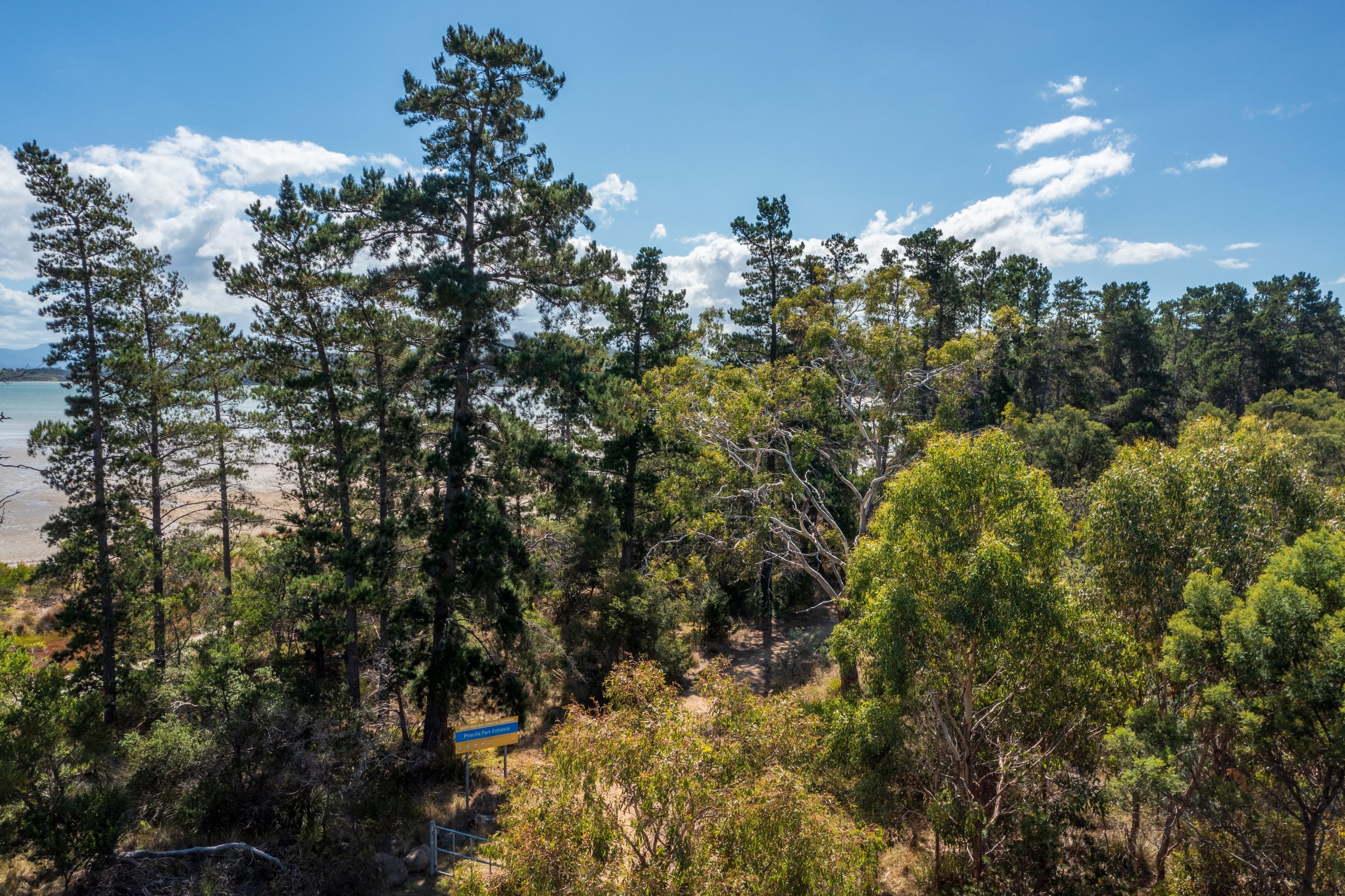
Learn more about some of our projects:
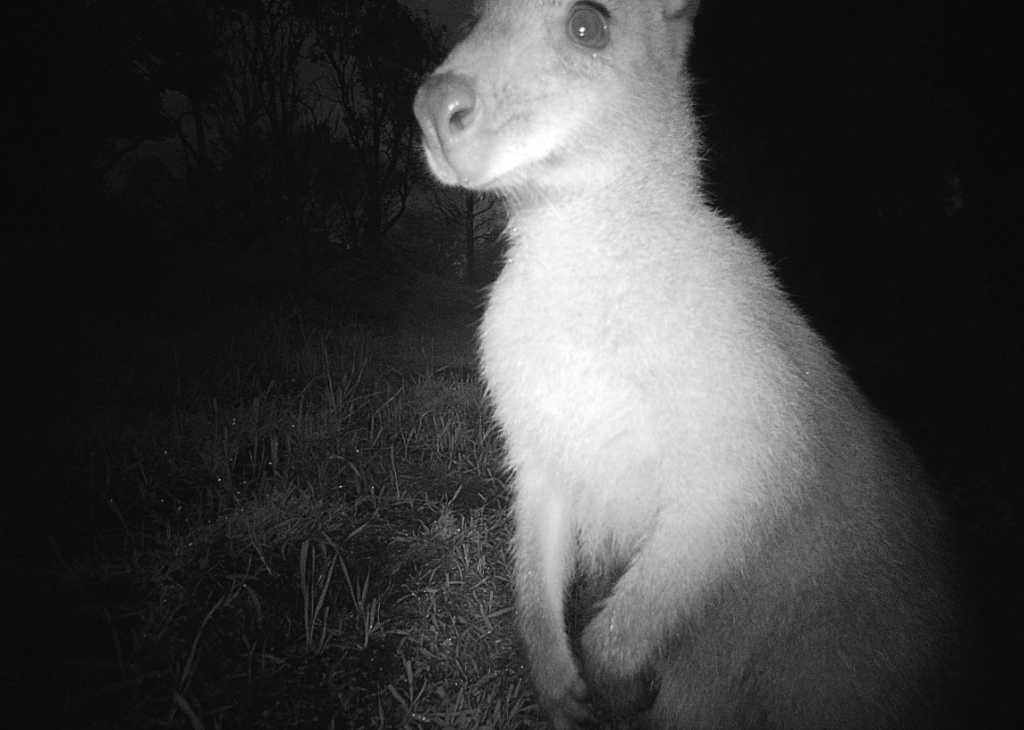
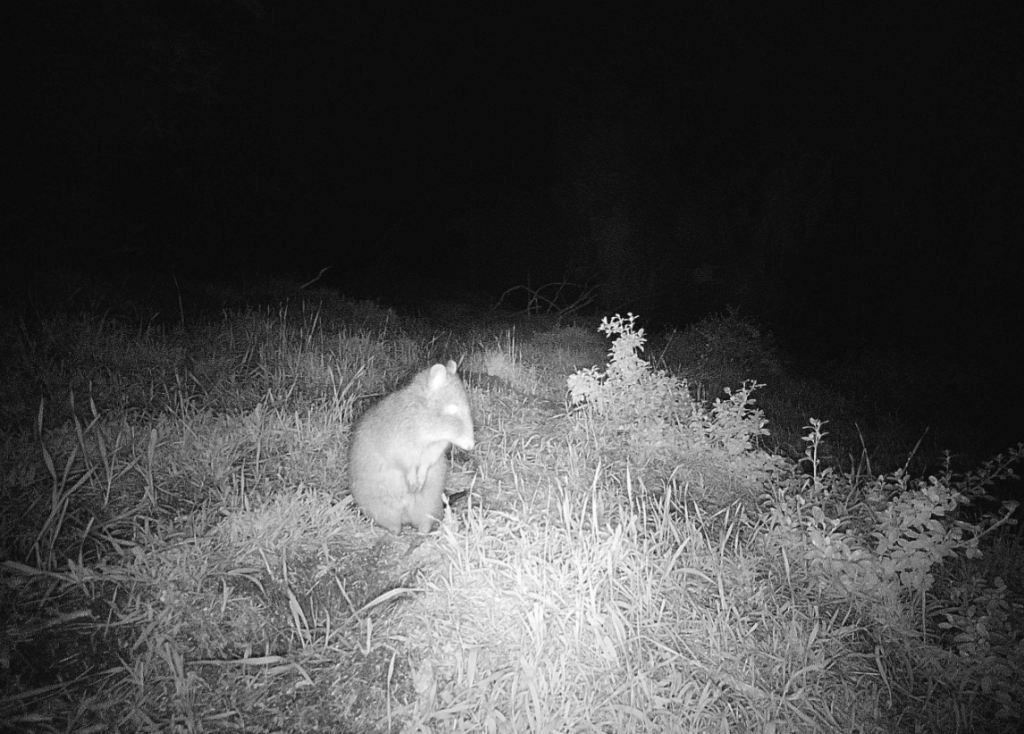
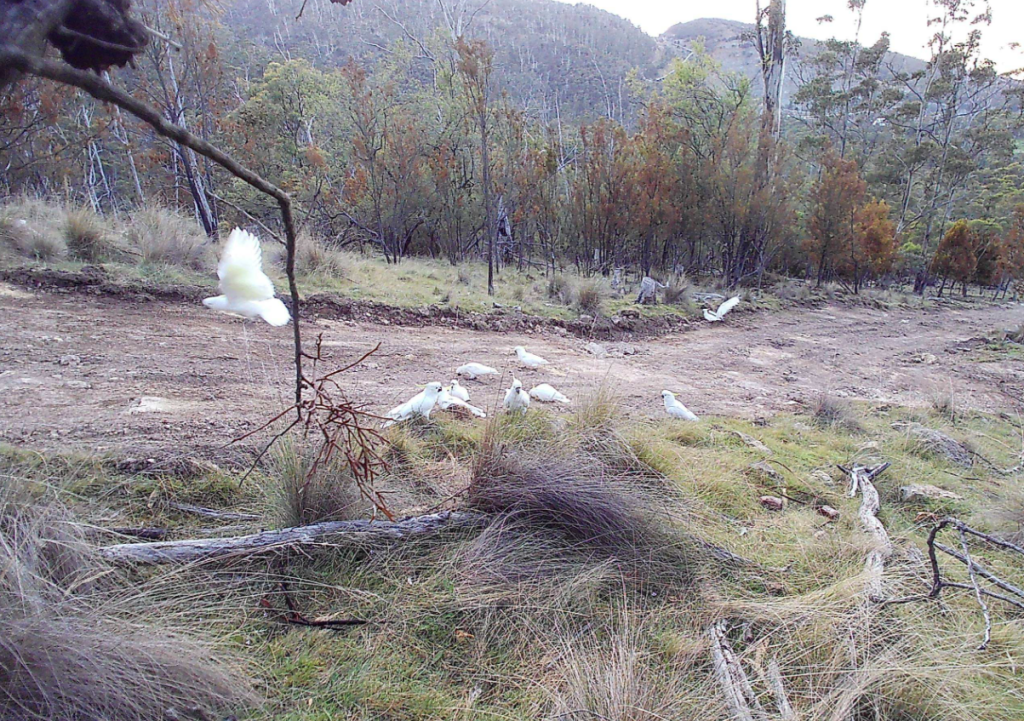
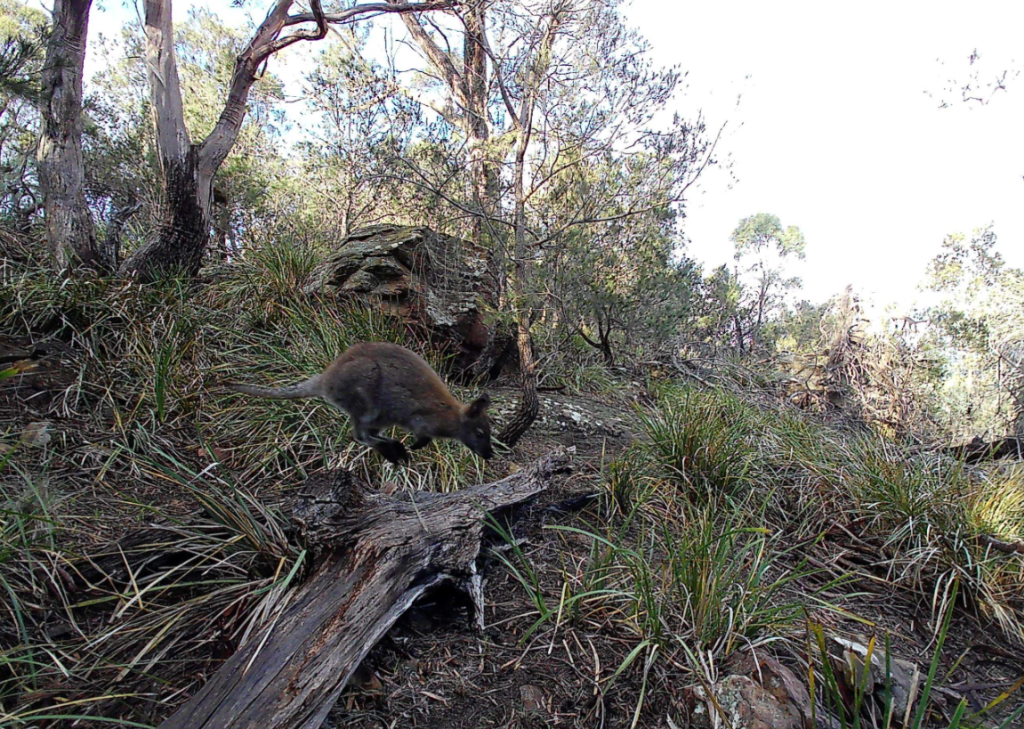
Spotted on our cameras! Wildlife monitoring
We’re using remote cameras and acoustic recording devices to record and document the wildlife living in our 18 bushland reserves.
The motion-activated cameras record animals as they go about their daily lives, providing evidence of which animals live in our reserves, which species appear to be thriving, and which are under threat.
This improved ecological data will guide how we manage our bushland reserves, allowing us to prioritise conservation efforts and threatened species protection.
It supports our long-term commitment to protect biodiversity in Clarence, improving our understanding of local wildlife, strengthening evidence-based environmental management, and conserving our unique natural areas for future generations.
National Biodiversity Month – BioBlitz
The Southern Tassie Showdown is a regional BioBlitz organised by Tasmanian councils to celebrate National Biodiversity Month and encourage residents to participate in citizen science.
Between 15 to 30 September, the community headed outdoors to record their sightings of different plants, animals, insects, birds and fungi in Clarence using the free iNaturalist App.
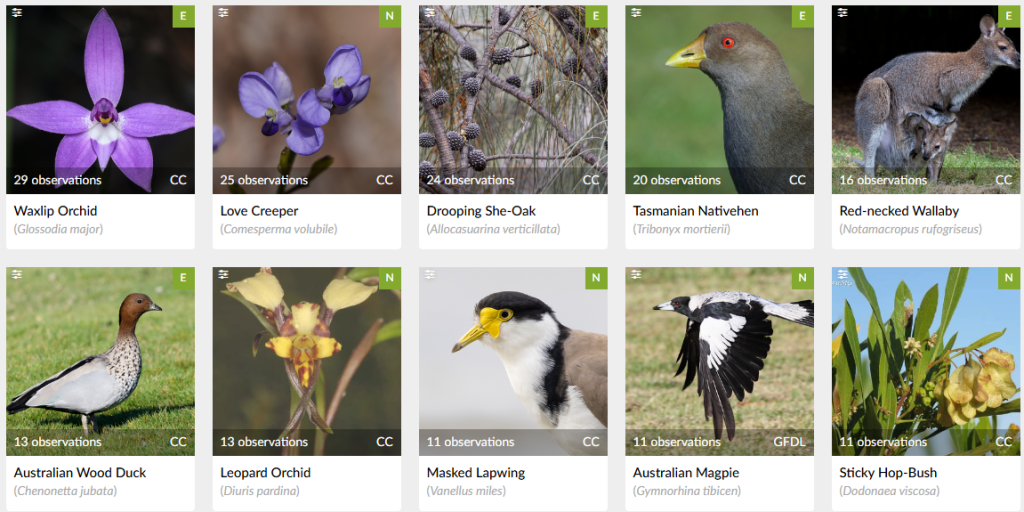
As part of the Southern Tassie Showdown bioblitz, 937 record-grade observations were made across Clarence, recording 309 different plant and animal species. The top 10 recorded species can be seen in the image below.
The community can record this biodiversity at any time!
By heading out to your favourite beach, bushland, track, or trail and simply adding your observations to iNaturalist, you will be contributing to valuable biodiversity data for our area. This data helps us develop bushland management plans to protect all the flora and fauna we love.
Removing feral ducks to protect native species
We are removing feral invasive ducks from Clarence waterways to help protect native ducks and care for biodiversity.
Feral ducks are invasive domestic duck species (most likely Mallards) that have been abandoned and dumped in our waterways.
Since the removal of around 100 feral ducks in early 2026, at Kangaroo Bay Rivulet, Richmond, Seven Mile Beach, and Lindisfarne, native duck numbers are increasing and other native bird species are returning to our waterways.
This is a positive result for our work protecting native ducks in Clarence.
Tasmania is home to 11 species of native ducks. Native ducks play an important role in maintaining ecological balance, biodiversity, and environmental health. Many of these ducks live in our waterways.
Pacific Black Ducks, Chestnut Teals, and Grey Teals can often be seen dabbling in shallow water at the Lauderdale Canal feeding on aquatic invertebrates and vegetation. We also have Australian Shelducks at Ralphs Bay and Australasian Shovelers at Roscommon Reserve. Rarer species, such as Freckled Ducks, Hardheads, and Blue-billed Ducks, are also occasionally spotted at Risdon Brook Dam.

Image by Helen Cunningham.
Native ducks are protected under law. Their numbers and survival are at risk because of feral ducks, which overpopulate, overwhelm food resources, and foul-up natural habitats. In particular, we are concerned about the shy and more-timid Pacific Black Duck (PBD), which is at risk of extinction from Mallards.
Mallards are larger and more aggressive and can breed with PBD to creative fertile offspring. This hybridisation has already caused the extinction of Pacific Black Ducks in New Zealand, and in Australia on Lorde Howe and Norfolk Islands.
Birdwatching walks and fun for kids!
Birdlife Tasmania created a brochure with our top birdwatching walks. Download and print Clarence Bird Walks to plan a trip and explore our forests and coasts.
Learn more about native ducks with the free Ducks of Tasmania booklet. Grab a copy and then head to one of our waterways for some duck spotting for a family fun day out!
How can you get involved?
There are many ways the community can help protect and enjoy our natural environments.
- Invasive species – Learn how to identify and manage weeds or find information about local wildlife and pest species. See our weed management and wildlife information.
- Volunteer and Landcare – Join local volunteers making a positive difference in our parks, reserves, and bushland. See our volunteering opportunities.
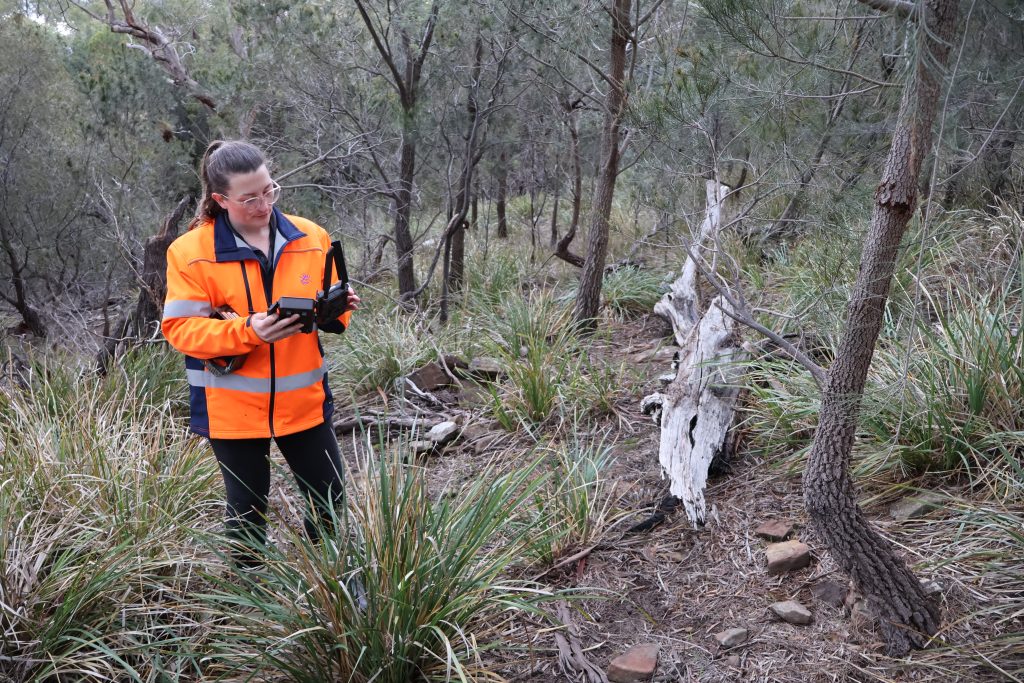
- Citizen Science – Help collect valuable environmental data by downloading the iNaturalist app to document flora and fauna in our bushland reserves, or take part in our September biodiversity blitz during National Biodiversity Month.
- Environment and Biodiversity Grants – Funding is available to support projects that improve and protect Clarence’s natural environment. Apply for our Environment and Biodiversity Grants.